Create and Curate Content (That Gets Read)
The internet is a black hole of information. One second you are being productive, the next you’re laughing at pictures of grumpy cats or pinning a new recipe you’ll swear to make soon.
As a content creator, this makes it especially challenging to capture your audience’s ever-shifting attention – and keep it. You only have a brief window in which to grab your readers before they are on to the next thing. And if your content isn’t engaging and relevant, you’ll lose them again just as fast as you got them.

Writing the perfect headline.
These problems aren’t unique to our internet age. Journalists have always struggled to get their stories printed and read, and this industry’s decades of experience still has something to teach us. Websites, blogs, and social media may be the current popular medium, but the basics of effective marketing and journalism remain the same.
What about AI Writing?
Recently, NP Digital tested the effectiveness of AI-written or AI modified content versus human writing. And it wasn’t even close! Human-created content is read significantly more than AI or AI-modified content.
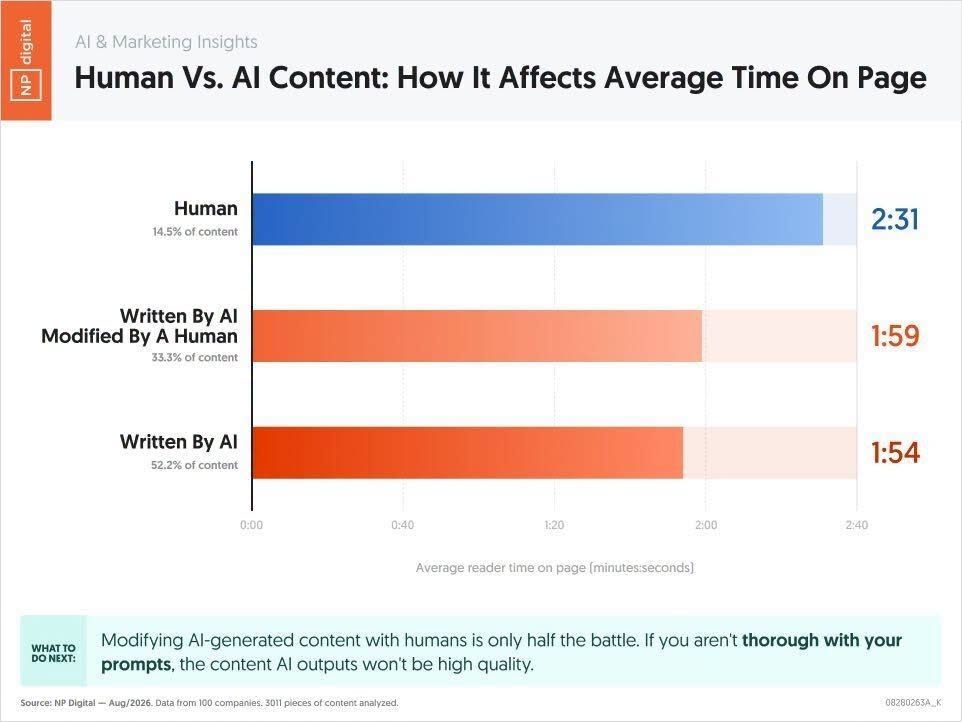
The research provides two reasons why human content is more engaging and more read than AI content.
- The first is knowledge. A human expert will write about their subject with more authority, directness, and clarity than AI.
- Second: Emotion. Humans write with emotion, people respond to emotion. AI doesn’t write emotion as well. It predicts words, but that doesn’t create emotions.
and humans can tell the difference, even if they can’t explain why…
Here are 4 tips every journalist knows and every content creator needs to remember when brainstorming, creating, and editing content for your company blog or website to help ensure your audience not only clicks on your link but reads your post.
1. Know Your Audience
This is the very first thing every communicator must know in order to be successful. No well-written and informative or entertaining article is going to attract the right audience if it doesn’t address their unique needs. What interests them? What motivates them to read your content? Why should they care? How knowledgeable are your readers about this topic? What perspective do you have to offer that meets their needs in some unique way? These are all questions you need to consider when brainstorming content ideas and drafting copy. Focus on finding a voice that shows you understand and relate to your readers.
2. Titles, Titles, Titles
The most well-written, informative, unique article is going to bomb if you can’t get anyone to click on the link. Probably the most critical element of your content is the title, because if it doesn’t get the click it won’t matter what’s in the copy anyway. The page or post title is your sales pitch, and you only have about 7 words to sell it so the reader will click on the link. Lists, how to’s, and calls to action tend to be great attention-getters. Be clever, be descriptive, and show what the reader stands to gain from clicking your link.
3. Lead the Way
Great, you got them to click on your article. But hold on…how do you get them to read the whole article? Keep in mind an online audience has a goldfish-like attention span. Like any good newspaper or magazine article you need to hook them with the lead. There are many types of leads and depending on the post some might be more effective than others. You may want to start out with an impact lead; with a serious topic show how this article may impact the reader. Or maybe you want a clever lead to keep them interested. The lead and title are two of the most challenging parts of writing, but you need that hook in order to intrigue your readers.
4. Short, Sweet, to the Point
One of the things I remember my journalism professor joking about was comparing writing to a mini skirt: long enough to cover what needs to be covered, yet short enough to keep it interesting. People are going to tune out if the article is too long or poorly structured, after all there are plenty of things competing for their online time and attention. Keep it short and to the point, yet provide enough information to be relevant. Don’t mistake length for a sign of a good post! There’s nothing more intimidating than for a reader to click on a link and see a long, cumbersome article.
At the same time, in today’s content-driven landscape longer articles that are high-quality and well-structured do outperform their shorter and less informative counterparts.
There’s much skill that goes into creating quality content that captures your audience and drives them to take action. Remember these top four lessons learned from our journalism counterparts as you plan your content strategy and start writing.
– – –
Looking to upgrade your career? Check out content creator jobs on Jooble!